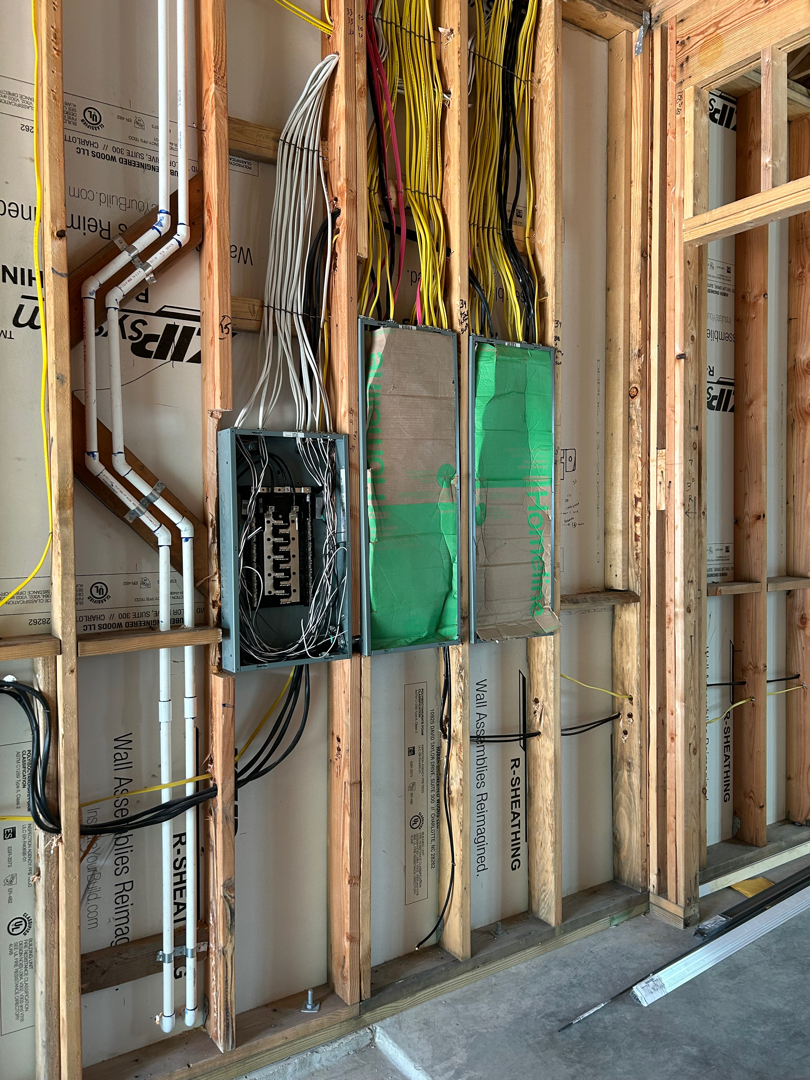
In our rapidly changing environment, electrical services play a crucial role in enhancing our daily experiences. As our homes evolve with advanced technology, the significance of understanding electrical systems and their safety standards becomes critical. From resolving common issues like tripped breakers to modernizing outdated wiring systems, electricians are at the forefront of ensuring that our environment remain safe, usable, and effective.
This article explores various aspects of electrical services, exploring essential topics that every homeowner should understand. We'll address everything from residential wiring codes and the importance of Ground Fault Circuit Interrupters to the nuances of putting in new outlets and picking the suitable gauge wire for multiple circuits. By showcasing the best practices and current trends in the electrical field, we aim to enable readers with the information they need to make wise decisions about their electrical systems and when to seek qualified guidance.
Residential Wiring Codes and Safety Standards
Comprehending residential wiring codes and safety standards is crucial for ensuring the safety and effectiveness of electrical systems in residential buildings. Such codes, often dictated by the National Electrical Code (NEC), provide guidelines on how electrical installations must be conducted to minimize hazards such as electrical shock, fires, and equipment damage. Adherence with these standards not only safeguards residents but also boosts the overall reliability of electrical systems, ensuring they operate effectively under various conditions.
Electricians must keep up-to-date about these codes as they can change periodically. Each locality might embrace its own interpretation of the NEC, so it's essential for electricians to acquaint themselves with local amendments and regulations. This knowledge helps them design and install electrical systems that not only meet but exceed safety requirements. Moreover, compliance to these codes is often necessary for passing assessments and obtaining the required permits, further emphasizing their significance in residential wiring.
In addition to the NEC, electricians should also be cognizant of safety standards established by organizations like the Occupational Safety and Health Administration (OSHA). These standards provide insights into safety measures when working with electrical installations, particularly in home environments. By following these guidelines, electricians can prevent accidents and ensure a safe working environment, ultimately leading to superior electrical work that is durable and reliable.
Fixing Frequent Electrical Concerns
One of the most typical issues homeowners experience is tripped circuit breakers. This can take place for a number of causes, including overloading circuits, shorts, or faulty grounding. When a breaker fails, it’s important to determine what caused it. Start by disconnecting items on that specific circuit to determine if the breaker will reset. If it trips again without any appliances, it may suggest a problem within the electrical system itself or a malfunctioning breaker that needs replacement.
Another typical issue is lights that flicker, which can be due to a loose bulb or a more significant problem like fluctuating voltage. In domestic electricians eastbourne , inspecting the bulbs and ensuring they are securely fitted can fix the issue. If flickering doesn't stop, especially with several lights, it may suggest underlying issues with the wiring or inadequate power supply. Contacting a licensed electrician can help determine the problem accurately before further issues arise.
Occasional power issues can be frustrating, often appearing as appliances that shut off unexpectedly or reboot. This can occur due to bad connections in power points or at the electrical panel. Homeowners should check reachable connections to ensure they are properly connected. Additionally, concerns with the main service panel components may require care. If the issue persists, it is wise to obtain professional help, as these electrical problems can pose safety risks.
Smart House Wiring and Technology Integration
As smart home technology continues to progress, the need for effective wiring systems becomes ever crucial. When developing a smart home, electrical engineers must factor in the integration of multiple devices such as smart temperature controls, surveillance monitors, and automated lighting solutions. Proper planning ensures that these appliances operate smoothly together, boosting convenience and security for homeowners. Additionally, setting up a robust network of cabling makes future improvements more feasible as tech advances.
To support the functionality of smart appliances, selecting the right size wire is vital. Diverse devices and systems have distinct power requirements, and employing the correct cabling ensures they operate efficiently without chance of overheating. Electric contractors also must to be familiar with low voltage wiring, especially for security systems and intercoms, as these often require different setup techniques compared to traditional electrical systems. Adhering to recommended procedures during setup not only improves appliance efficacy but also ensures safety with regulations.
Moreover, as additional devices connect to house systems, it becomes important to create electric systems that can handle higher power demands. This entails calculating power needs for new devices and solutions and possibly upgrading current infrastructure. Electricians should focus on thorough evaluations of current electrical systems and make sure that installations meet up-to-date regulations and guidelines. By focusing on intelligent house wiring and its integration, electric professionals can help residents harness the full potential of their smart devices while maintaining safety and reliability.